The Tandoor Murder Case shocked India in 1995 when Congress youth leader Sushil Sharma murdered his wife, Naina Sahni, and attempted to burn her body in a restaurant tandoor. This case exposed the dark underbelly of politics, betrayal, and gruesome cover-ups, sparking nationwide outrage and legal reforms.
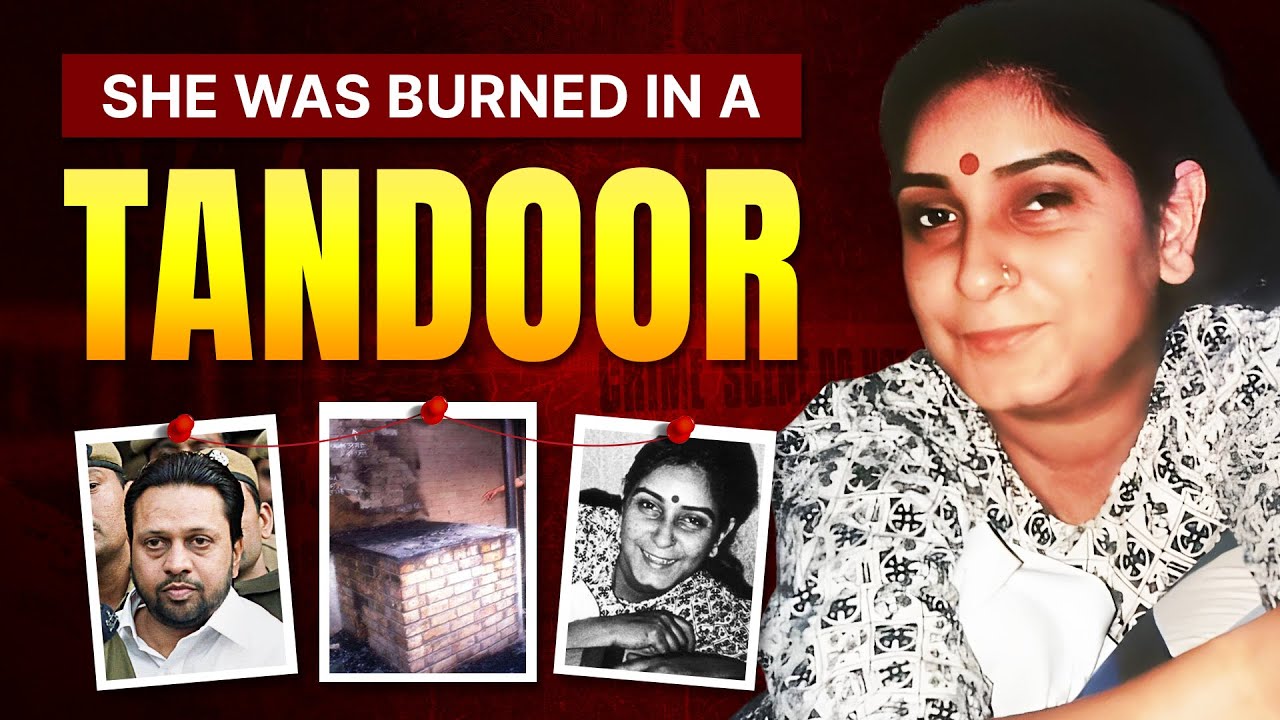
Image source:- youtube
A Murder That Stunned the Nation
In 1995, the murder of Naina Sahni, a Congress worker and the wife of Delhi Youth Congress leader Sushil Sharma, captured national attention. Sharma suspected Naina of having an extramarital affair with her college friend and fellow Congress worker, Matloob Karim. In a fit of rage and jealousy, he shot her with his licensed revolver at their home in Delhi.
The Attempted Cover-Up in a Tandoor
After committing the crime, Sharma sought help from his friend, Keshav Kumar, the manager of Bagiya Restaurant in Ashok Yatri Niwas. In an effort to destroy evidence, he tried to dispose of Naina’s body by burning it in the restaurant’s tandoor. The smoke alerted police patrolling the area, leading to a gruesome discovery that would dominate headlines for years.
The Legal Battle: From Death Sentence to Life
Initially, Sushil Sharma was sentenced to death by the trial court in 2003. The Delhi High Court and later the Supreme Court upheld his conviction but commuted his sentence to life imprisonment, citing a lack of evidence that the murder was “the rarest of rare.” In 2018, after serving 23 years, Sharma was released from Tihar Jail on the recommendation of the Sentence Review Board.
Political and Social Fallout
The case raised significant questions about domestic violence, political misuse of power, and the need for swift legal justice. The public, media, and legal experts expressed concern over how the system handled a case of such brutality involving a political figure.
Psychological Insight
Psychologists who analyzed the case described it as a classic example of “honor killing” masked under personal rage. The level of premeditation and the horrific method of body disposal pointed to deep-seated anger, ego, and a desire for control.