Shares of the Bombay Stock Exchange (BSE) tumbled over 6% after SEBI approved the National Stock Exchange’s (NSE) request to shift its weekly derivatives expiry to Tuesdays. This strategic change may directly impact BSE’s growing derivatives market share and revenue.
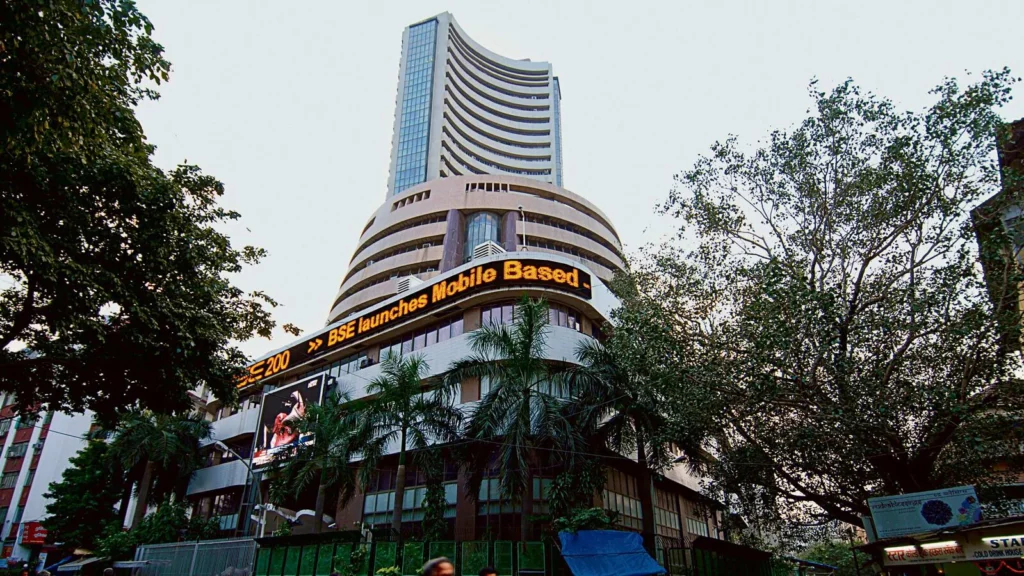
Source Image:-livemint
In a major regulatory update impacting India’s equity markets, the Securities and Exchange Board of India (SEBI) has approved the National Stock Exchange’s (NSE) proposal to shift its weekly derivatives expiry from Thursdays to Tuesdays. This change will take effect starting September 1, 2025.
As a result, BSE (Bombay Stock Exchange) will now move its own weekly expiry to Thursdays. This change, while seemingly procedural, has sparked significant market reaction.
Following the announcement, BSE shares fell more than 6%, touching a low of ₹2,500 during intraday trade. Investors and analysts alike are concerned that BSE may lose a portion of its growing derivatives market share, which had been boosted by the success of its Monday expiry model.
Analysts believe this move could reduce BSE’s visibility and differentiation in the weekly derivatives segment. Several brokerage firms have revised their outlooks on BSE:
-
Motilal Oswal downgraded the stock from “Buy” to “Neutral,” citing reduced earnings potential.
-
They estimate a 5–6% drop in earnings due to a possible 10–15% decline in trading volumes.
-
Goldman Sachs also anticipates a fall in BSE’s derivatives market share, projecting a slide from 24% to nearly 21%.
The NSE’s return to Tuesday expiries—previously held by BSE exclusively—gives it a strategic edge in attracting higher trading volumes mid-week. BSE, on the other hand, will now compete for attention on Thursdays, a day historically dominated by NSE before the initial change in expiry structure.
The expiry day in derivatives trading plays a crucial role in driving daily volumes, as traders tend to increase activity on those days to square off positions. A shift in this schedule can alter trading behavior, potentially affecting liquidity, revenue, and client retention for exchanges.
BSE had recently gained significant momentum with its weekly index options and derivatives, especially after rolling out expiry on Mondays and later adding Sensex derivatives. That growth now faces a new competitive challenge.
-
SEBI approves NSE’s request for Tuesday weekly expiry, effective September 1
-
BSE to shift its expiry to Thursday to avoid conflict
-
BSE shares decline by over 6% in intraday trade
-
Brokerages estimate 5–6% earnings hit due to drop in derivatives volume
-
Market share battle between NSE and BSE intensifies