Former Bank of England Governor and potential Canadian PM candidate Mark Carney has responded firmly to Donald Trump’s accusations linking Canada to fentanyl trafficking. Amid escalating tensions, Carney also defended Canada’s businesses after Trump proposed 35% tariffs, asserting Canada’s sovereignty and progress in curbing drug flows.
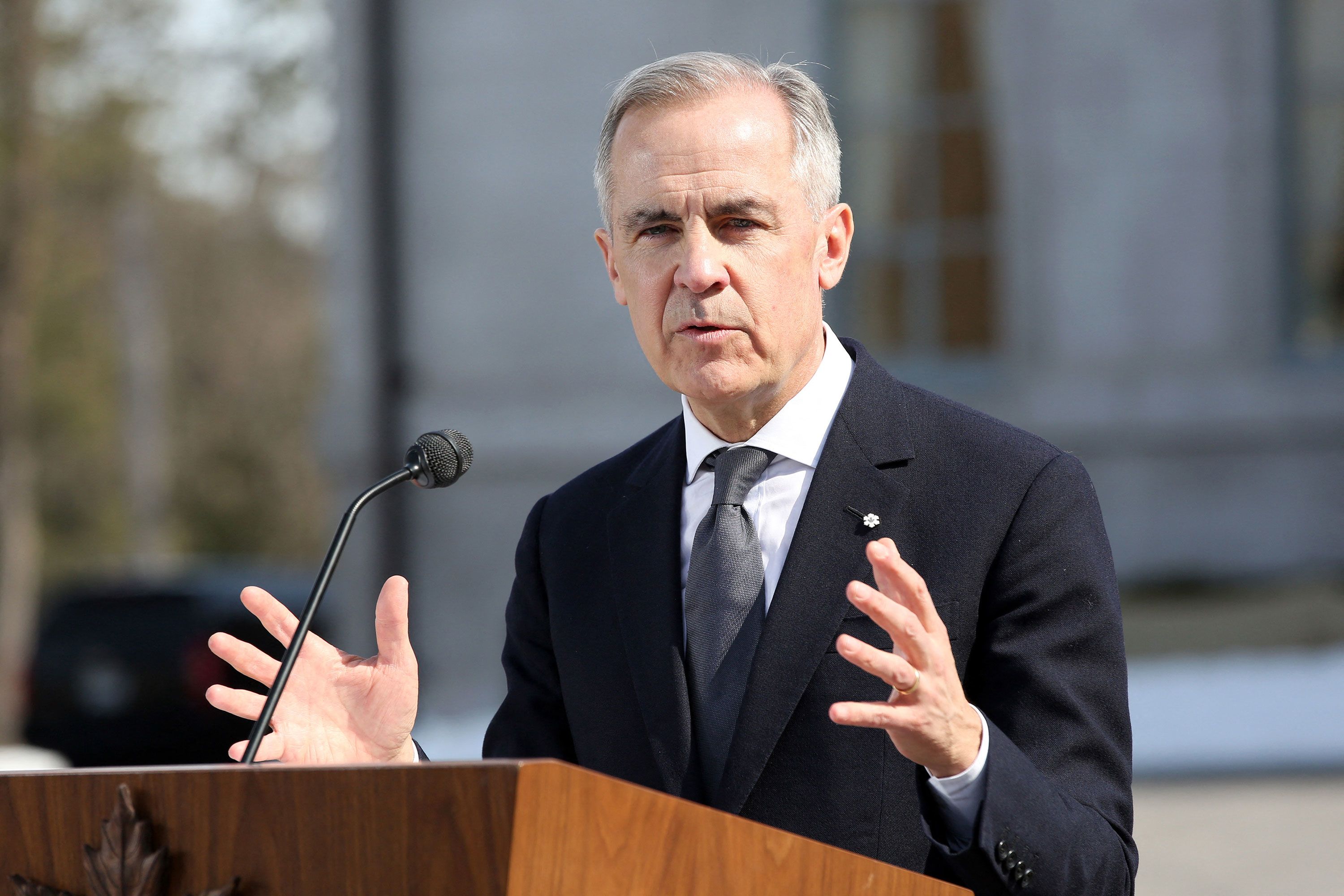
Image: CNN
Mark Carney Pushes Back Against Trump’s Fentanyl and Tariff Allegations
As geopolitical and trade tensions rise ahead of the 2025 U.S. Presidential elections, former central banker and political heavyweight Mark Carney addressed Donald Trump’s recent allegations against Canada regarding fentanyl trafficking and proposed economic tariffs. Trump, in a campaign rally, accused Canada of being a significant contributor to the fentanyl crisis in the U.S. and suggested imposing 35% tariffs on Canadian businesses.
Carney, widely seen as a contender to succeed Justin Trudeau as Prime Minister, called the statements “baseless and inflammatory,” emphasizing Canada’s active cooperation with the U.S. in tackling drug trafficking and protecting shared economic interests.
“We’ve Made Vital Progress” – Carney’s Counterpunch
Speaking during a press interaction in Toronto, Carney stated:
“Canada has made vital progress in controlling the flow of fentanyl, especially at key borders. This isn’t just our effort—it’s a joint mission with the U.S.”
He reiterated that both countries share the consequences of the opioid crisis and underscored the importance of facts over fearmongering. Canadian authorities, he said, have ramped up drug interdiction, intelligence sharing, and tech deployment in key ports over the past year.
Defending Canada’s Businesses and Economy
Carney also responded to Trump’s mention of slapping 35% tariffs on Canadian exports if he returns to power, which sent ripples through the business community. “Canada will stand up for its businesses and economic sovereignty,” Carney said, urging calm but firm diplomatic engagement.
Experts suggest such tariffs, if implemented, would trigger trade retaliation and disrupt tightly-knit North American supply chains. The USMCA (United States-Mexico-Canada Agreement) also provides legal frameworks to challenge unilateral tariff impositions.
Political Undercurrents and Future Implications
With both countries heading into high-stakes elections—Canada possibly in 2025 and the U.S. already on the campaign trail—the remarks reflect rising political rhetoric. Carney’s composed yet assertive rebuttal is being read as a signal of his preparedness for national leadership, should he formally enter the race.
Analysts believe that the exchange could also test the resilience of Canada-U.S. relations and the political maturity of their future leadership.